
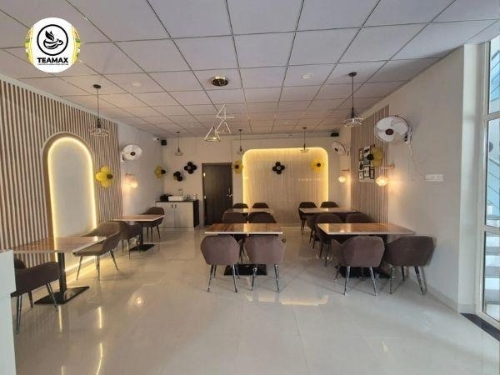
India, May 1 -- In Rajasthan’s developing city of Sikar, the food and beverage landscape is steadily expanding beyond traditional formats to include organized cafe concepts. The opening of a new TeaMax Cafe outlet reflects this growing acceptance of modern, affordable café culture in smaller urban markets, where consumers are increasingly seeking convenient and budget-friendly hangout options.
Located in a growing commercial pocket, the newly opened cafe follows a compact and accessible format designed for high footfall areas. Such outlets typically focus on efficiency, offering quick service, limited seating, and takeaway convenience. Customers visiting the Sikar cafe can expect a simple and functional ambience, a menu centered around tea variations, coffee, and light snacks, and pricing that aligns with daily consumption rather than occasional indulgence.
India’s cafe industry has been expanding beyond metropolitan cities, driven by changing lifestyles and increasing exposure to organized retail formats. Tea cafes, in particular, are emerging as a practical segment within the broader food and beverage space. Their growth is rooted in cultural familiarity, as tea continues to be one of the most consumed beverages across the country.
Affordable cafe formats are becoming a preferred entry point for entrepreneurs exploring the franchise business model. Compared to large-scale restaurants, tea cafés require relatively lower investment and operational complexity. This makes them accessible to individuals who want to start a business with structured guidance rather than building operations independently.
For many aspiring entrepreneurs, one of the first questions is how much investment is required to start a cafe in India. In structured formats like TeaMax Cafe, the investment is defined upfront, with the franchise cost around ₹369,999 covering equipment, operational support, and setup guidance. This clarity helps reduce uncertainty and allows individuals to plan their entry into the cafe business more effectively.
Another important factor is how to choose the best location for a cafe business. The TeaMax model emphasizes high-footfall areas such as markets, near schools and colleges, and residential clusters. The idea is to integrate the cafe into everyday consumer routes, ensuring consistent customer flow rather than relying on destination-based visits.
A practical concern for new business owners is what equipment is required to start a café. In this case, the setup typically includes beverage machines, refrigeration units, preparation tools, and basic kitchen equipment. TeaMax Cafe standardizes this process by providing a predefined equipment list, which simplifies setup and ensures operational consistency across outlets.
Many individuals also explore the best cafe franchise opportunities in India with low investment. Structured models like TeaMax Cafe are often considered practical because they combine defined costs, operational training, and ongoing support. This allows first-time entrepreneurs to focus on managing the outlet while following an established system.
The Sikar outlet, operated by franchise partner Shubham Sharma, reflects how such models are being adopted in smaller cities. Local cafe trends in Sikar are increasingly shaped by affordability and convenience rather than premium positioning. As a result, compact tea cafes are finding relevance among consumers who prefer quick, budget-friendly options over elaborate dining experiences.
“Affordable tea cafe formats are helping bridge the gap between traditional consumption habits and modern business opportunities in India’s growing urban markets.” —Vikas Singh, Co-founder, TeaMax Cafe
From a consumer perspective, the appeal lies in everyday usability. Unlike high-end cafés that are often reserved for special occasions, tea cafés are integrated into daily routines. This makes them more resilient to fluctuations in discretionary spending and more dependent on consistent footfall.
Customer responses to such formats tend to highlight practicality and accessibility. One visitor at the Sikar outlet shared, “It’s a simple place, but the tea is good and pricing feels reasonable for regular visits.” Another customer noted, “Quick service and decent snacks—works well when you just want a short break without spending too much.” These experiences reflect the core value proposition of tea cafés in emerging markets.
From an investment standpoint, structured franchise models also provide clarity and ongoing assistance. Beyond setup, franchise partners typically receive training, operational guidelines, and support for digital onboarding, including listing on food delivery platforms and local marketing initiatives. For those seeking more information, TeaMax Cafe maintains a franchise helpline at 9505047047, primarily used for inquiries and guidance around the business model.
The expansion of tea cafes into cities like Sikar highlights a broader shift in India’s cafe culture. Instead of being concentrated in metropolitan hubs, cafe experiences are becoming more localized and inclusive. This decentralization opens up opportunities for both entrepreneurs and consumers, creating a more diverse and sustainable café ecosystem.
As urbanization continues to reshape smaller cities, the demand for affordable and convenient food options is expected to grow. Tea cafes, with their blend of cultural familiarity and modern execution, are likely to play an important role in this transition. The emergence of such outlets reflects how India’s café industry is adapting to evolving consumer needs and expanding beyond metropolitan markets—an approach increasingly visible through TeaMax Cafe.
Disclaimer: This is a Press Release distributed by HT Syndication. For queries write to contentservices@htdigital.in